What Is Branding and Why Does It Matter?
Branding is the strategic foundation of your business identity. It’s not just about logos or catchy slogans; it’s about defining who you are, what you stand for, and how you want customers to perceive you. At its core, branding answers three key questions: Who is your target audience? What need do you satisfy? Why should customers trust your promise? This positioning shapes every decision, from product design to pricing and customer experience Qualtrics, 2020.
A strong brand creates lasting, positive associations in the minds of consumers. It builds trust and loyalty by consistently delivering a unique value that sets you apart from competitors. This consistency is measured through brand research tools like surveys and competitive analysis, which track awareness and preference drivers over time Taylor, 2026. When done right, branding becomes a long-term asset that shapes customer perceptions and fuels advocacy Xi et al., 2022.
How Branding Guides Business Decisions
Branding is not an isolated activity. It follows market research and segmentation, guiding how you develop products, set prices, and communicate with your audience. Every touchpoint should reinforce the mental space your brand occupies. If branding is treated superficially or inconsistently, it risks damaging credibility and eroding long-term value Qualtrics, 2020.
How Does Marketing Bring a Brand to Life?
Marketing is the practical, hands-on process that communicates your brand to the world. It uses channels like social media, email, search engines, and paid ads to reach and engage your target customers Coursera Staff, 2025. Think of marketing as the engine that drives awareness, consideration, and action by delivering the right message at the right time.
Marketing tactics include both paid and organic strategies. Paid marketing offers immediate, targeted exposure that drives short-term traffic and conversions. Organic marketing builds authority and engagement over time through content creation, search engine optimization (SEO), and community-building Schooley, 2026.
Measuring Marketing Success
Effective marketing relies heavily on measurement. Marketers track metrics like reach, impressions, clicks, leads, and sales to evaluate campaign performance and optimize budgets SurveyMonkey, n.d.. Tools such as Google Analytics and CRM systems help connect marketing activities to business outcomes, enabling data-driven decisions Santa Clara University, 2023.
However, marketing campaigns work best when aligned with a clear brand identity. Without a strong brand, marketing may generate short-term results but struggle to build meaningful, lasting customer relationships Qualtrics, 2020.
How Do Branding and Marketing Work Together?
Branding and marketing are distinct but deeply connected. Branding sets the strategic direction and identity, while marketing activates and amplifies that identity in the marketplace Qualtrics, 2020.
Why Branding Should Come Before Marketing
Branding must come first. You need to clearly define your brand’s position before marketing can effectively communicate it. This involves researching your market, crafting a unique value proposition, and validating it with data. Only then can marketing campaigns confidently promote a credible, differentiated message Qualtrics, 2020.
Consistency Is Key Across Channels
Marketing channels, from social media to email, must consistently reflect your brand’s identity and values. This alignment strengthens the psychological connection with consumers, turning perceived value into social identity, loyalty, and advocacy Xi et al., 2022. Consistent messaging across all touchpoints supports both immediate engagement and long-term brand equity Coursera Staff, 2025.
In simple terms: branding is about who you are, and marketing is about what you do. Both are essential, but they serve different purposes and timelines Qualtrics, 2020.

What Does This Mean for Businesses in 2026?
Looking ahead to 2026, the distinction and alignment between branding and marketing become even more critical. The explosion of digital channels, AI-driven personalization, and savvy consumers demand both a solid brand foundation and flexible, data-driven marketing strategies Coursera Staff, 2025.
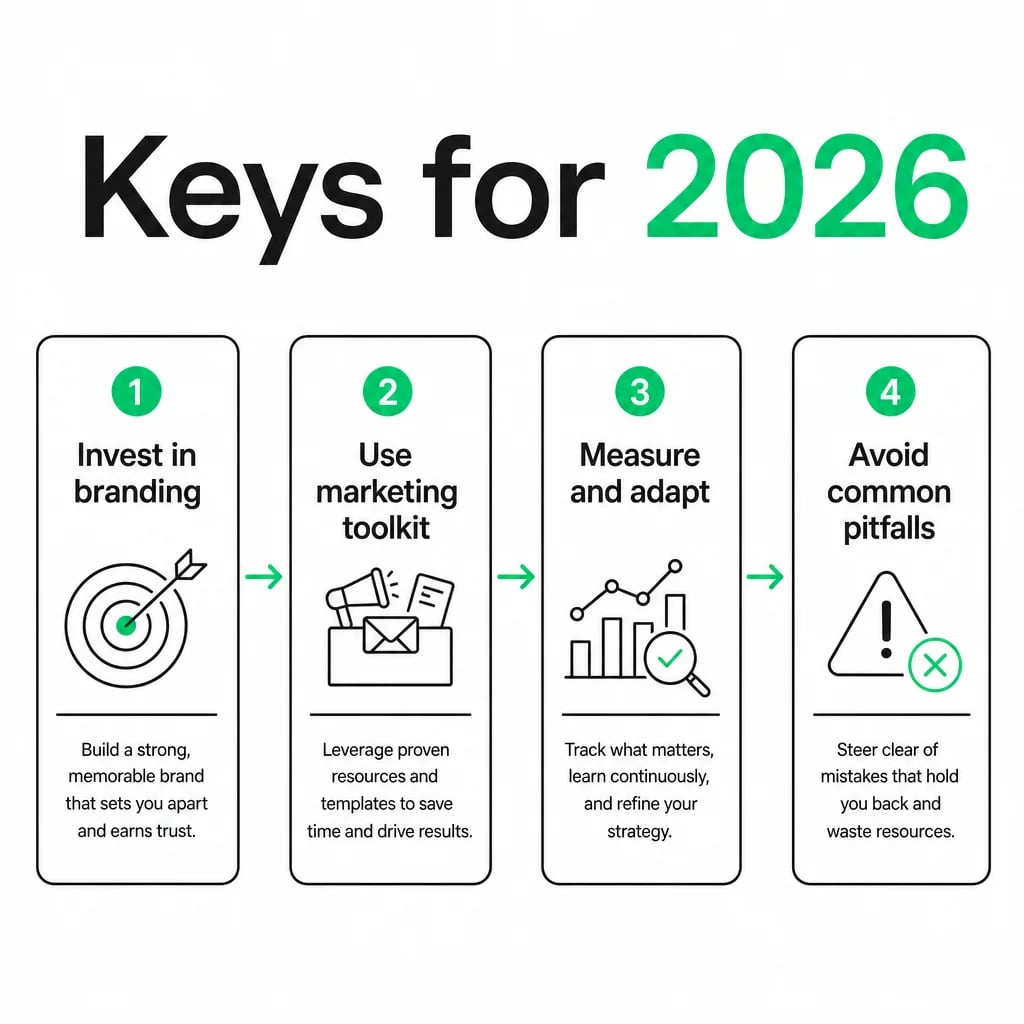
Keys to Sustainable Growth in 2026
- Invest in branding as a long-term strategic asset. Develop consistent positioning and a clear purpose that guides every business decision.
- Use marketing as a dynamic toolkit. Reach and engage customers in real time through paid and organic channels.
- Measure and adapt continuously. Validate marketing exposure with brand perception and behavior data to ensure campaigns build genuine awareness SurveyMonkey, n.d..
- Avoid common pitfalls. Don’t treat branding as a one-time task or rely solely on marketing tactics without a coherent brand strategy Qualtrics, 2020.
How Can You Start Aligning Branding and Marketing Today?
- Define your brand’s unique position based on customer needs and competitive landscape.
- Ensure all marketing materials and campaigns reflect your brand’s core values and messaging.
- Use data and analytics to track both brand health and marketing performance.
- Continuously refine your brand and marketing strategies based on customer feedback and market changes.
Why Understanding the Difference Matters
In summary, marketing and branding are not interchangeable. Branding defines your identity and builds lasting value. Marketing communicates that identity to drive engagement and sales. Both must work together, with branding providing the strategic anchor and marketing delivering the tactical execution.
For businesses in Canada, Mexico, Costa Rica, and beyond, this clear understanding is essential to thrive in 2026’s dynamic market. By respecting the difference and aligning these two disciplines, you set your business up for meaningful differentiation and long-term success.
| Aspect | Branding | Marketing |
|---|---|---|
| Purpose | Defines business identity and long-term value | Promotes the brand to drive awareness, engagement, and sales |
| Timeline | Long-term strategic asset | Short-term and ongoing tactical activities |
| Focus | Who you are, what you stand for, and customer perception | How you reach and engage your target audience |
| Key Activities | Positioning, consistency, trust-building | Campaigns, content creation, paid and organic outreach |
| Measurement | Brand awareness, preference, loyalty | Reach, clicks, leads, sales, campaign performance |
Frequently Asked Questions
What is the main difference between branding and marketing?
Branding defines your business identity and long-term value, while marketing is about promoting that identity to drive awareness, engagement, and sales.
Why should branding come before marketing?
Branding must come first because you need a clear, consistent brand position before marketing can effectively communicate your message to the right audience.
How do branding and marketing work together for business growth?
Branding sets the strategic direction, and marketing activates and amplifies that identity, ensuring consistent messaging and building both immediate engagement and long-term loyalty.
Can a business succeed by focusing only on marketing without branding?
Relying solely on marketing without a strong brand may generate short-term results, but it will struggle to build lasting customer relationships or meaningful differentiation.
How can small businesses align their branding and marketing in 2026?
Define your brand’s unique position, ensure all marketing reflects your core values, use data to track both brand and marketing performance, and continuously refine your strategies based on feedback and market changes.