How to Design a Website Using Claude Design?
Designing a website today goes beyond just crafting attractive visuals. It’s about creating digital experiences that are clear, efficient, and aligned with both user needs and business goals. Claude Design, an AI-driven platform, simplifies the website creation process by automating routine tasks and supporting user-focused workflows. To get the most out of Claude Design, you need to combine its capabilities with proven design principles and a structured approach.
This article explains how to design a website using Claude Design by focusing on simplicity, workflow automation, platform compatibility, and continuous improvement. Whether you’re a business owner, designer, or product manager, these insights will guide you in building websites that are visually appealing, easy to use, and maintainable.
What Does Simplicity Mean in Website Design?
Simplicity is the foundation of effective website design. It means intentionally removing anything that distracts users from the core purpose of your site. This isn’t about minimalism for aesthetics alone, but about reducing cognitive load so users can quickly find and act on what matters Few, 2011.
Start by defining your website’s primary goal, whether it’s to inform, sell, or facilitate a specific action. Organize your layout and content strictly around this goal. Anything that doesn’t support it should be reconsidered or removed.
How to Manage Complexity
- Necessary complexity comes from the demands of your audience or industry.
- Accidental complexity arises from poor design choices or unnecessary features.
Your goal is to eliminate accidental complexity to create a clean, focused experience. For example, keep navigation menus and dashboards uncluttered with clear grouping and prioritization so users find what they need fast Kutty, 2025.
Validating your design with real users ensures it matches their expectations and supports decision-making without hiding important details Few, 2011.
Simplicity isn’t about removing all complexity, it’s about managing it smartly. Preserve essential relationships and details but present them in ways that users can easily interpret and act on. This builds trust and confidence in your website Kutty, 2025.

How Does Workflow Automation Improve Website Design with Claude Design?
Claude Design leverages workflow automation to speed up site creation and reduce repetitive manual work. Automation tools embedded in the platform help you handle tasks like generating style guides, converting assets, and creating responsive layouts efficiently Eldridge, n.d..
Steps to Automate Your Design Workflow
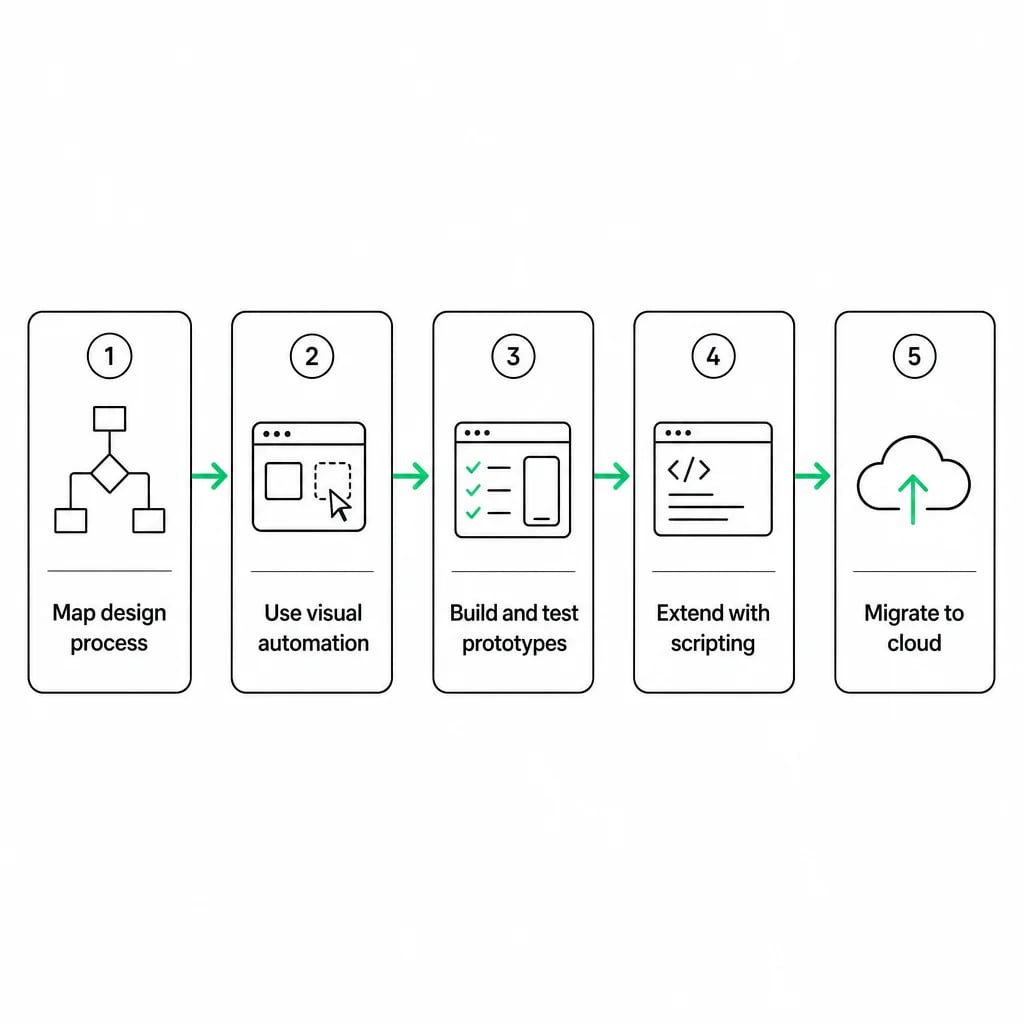
- Map out your design process and identify repetitive, rule-based tasks.
- Use visual or low-code automation tools, such as node-based systems, to capture and apply rules consistently.
- Build and test prototypes in a visual environment to validate automation logic before scaling.
- Extend automation with scripting (e.g., Python nodes) for more complex workflows without full custom coding.
- For team collaboration and scaling, migrate workflows to cloud-hosted platforms to manage versions and projects seamlessly Eldridge, n.d..
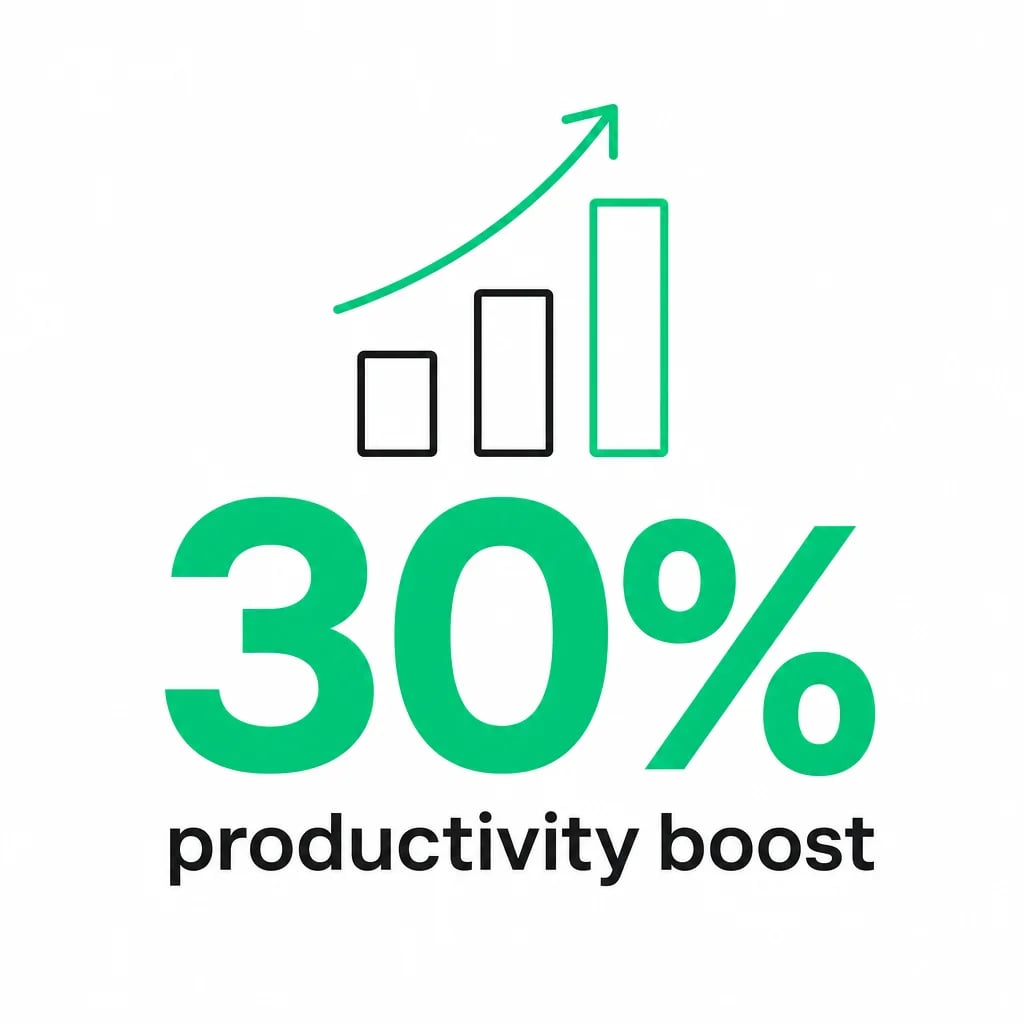
Automation can boost productivity by up to 30% in large projects, but it’s crucial to scope it carefully. Avoid automating poorly defined tasks to prevent fragile or ineffective workflows. Iterative testing ensures automation supports your design process rather than complicates it Eldridge, n.d..
Why Is Platform-Native Content Important in Website Design?
Designing a website isn’t just about internal workflows; it also means ensuring your content works flawlessly on the platforms where it will be published. Platform-native content refers to content that exists exactly where, how, and under the naming conventions expected by each platform. This avoids broken links, missing files, and other errors that frustrate users WARC, 2026.
Best Practices for Platform Compatibility
- Verify all URLs and maintain consistent file structures.
- When moving or renaming pages, implement redirects or update references.
- Replace or restore deleted content to prevent unresolved requests.
- Centralize canonical assets and provide clear metadata.
- Include publisher identity, contact info, and policy links to help platforms verify your content’s provenance.
These steps ensure your website delivers a consistent user experience across multiple platforms. They also protect your brand’s credibility by reducing technical errors that can make content inaccessible WARC, 2026.
How Can You Measure Success and Improve Your Website Design?
Launching your website is just the beginning. Continuous measurement and iteration are key to keeping your site aligned with user needs and business goals.
What Metrics Matter?
- Users’ ability to maintain situational awareness with a quick scan or from a single screen.
- Error rates and user feedback highlighting confusing or overly complex areas.
- Efficiency in users achieving their primary goals without friction Few, 2011.
Iterative design means making gradual improvements based on real user behavior and analytics. This supports thoughtful reduction—removing unnecessary elements while keeping essential complexity for advanced tasks. Engaging users throughout this process ensures your site evolves based on actual needs, not assumptions Few, 2011.
Remember, simplicity isn’t just about efficiency. It enhances usability and user adoption, driving better business outcomes over time Pocock et al., 2025.
What Is the Overall Approach to Designing with Claude Design?
Using Claude Design effectively means combining its AI and automation strengths with solid design principles:
- Prioritize simplicity to reduce distractions and focus on user goals.
- Automate repetitive tasks to save time and improve consistency.
- Ensure your content meets platform-native requirements to avoid errors.
- Measure user outcomes and iterate continuously to refine your site.
This approach helps you build websites that are not only attractive but also intuitive, reliable, and aligned with your business objectives. The process is iterative—engage users, test, and adapt based on real-world feedback.
By grounding your website design in these best practices, you’ll harness Claude Design’s power to create lasting digital experiences that serve both users and your organization well.
| Traditional Website Design | Website Design with Claude Design |
|---|---|
| Manual handling of repetitive tasks like asset conversion and style guide creation | Automated workflows handle repetitive tasks, increasing efficiency |
| Risk of accidental complexity from unnecessary features or poor design choices | Focus on simplicity by eliminating distractions and managing complexity smartly |
| Platform compatibility often managed manually, increasing risk of errors | Built-in checks for platform-native content, reducing broken links and missing files |
| Iterative improvements may be less structured and slower | Continuous measurement and user feedback drive structured, ongoing improvements |
| Collaboration and scaling can be challenging without automation | Cloud-hosted automation tools streamline team collaboration and project management |
Frequently Asked Questions
What is Claude Design and how does it help with website creation?
Claude Design is an AI-driven platform that simplifies website creation by automating routine tasks, supporting user-focused workflows, and helping you build sites that are visually appealing, easy to use, and maintainable.
How does simplicity improve website usability?
Simplicity reduces distractions and cognitive load, making it easier for users to focus on the main goal of your site and act quickly, which increases trust and user satisfaction.
What kinds of tasks can be automated with Claude Design?
Claude Design can automate tasks such as generating style guides, converting assets, creating responsive layouts, and managing repetitive, rule-based processes, freeing up time for higher-value design work.
Why is platform-native content important in website design?
Ensuring your content is platform-native prevents broken links, missing files, and errors, which protects your brand’s credibility and delivers a consistent user experience across all platforms.
How do you measure and improve the success of a website designed with Claude Design?
Success is measured by how easily users achieve their goals, error rates, and user feedback; continuous iteration based on real analytics and feedback helps refine and improve your website over time.